Buying vs. Building · August 28, 2026 · 12 min read
Modular vs Custom Homes in Tennessee
Modular wins on speed and sticker price. Custom wins on difficult lots, design freedom, and long-term value. Here's how to pick for your land.
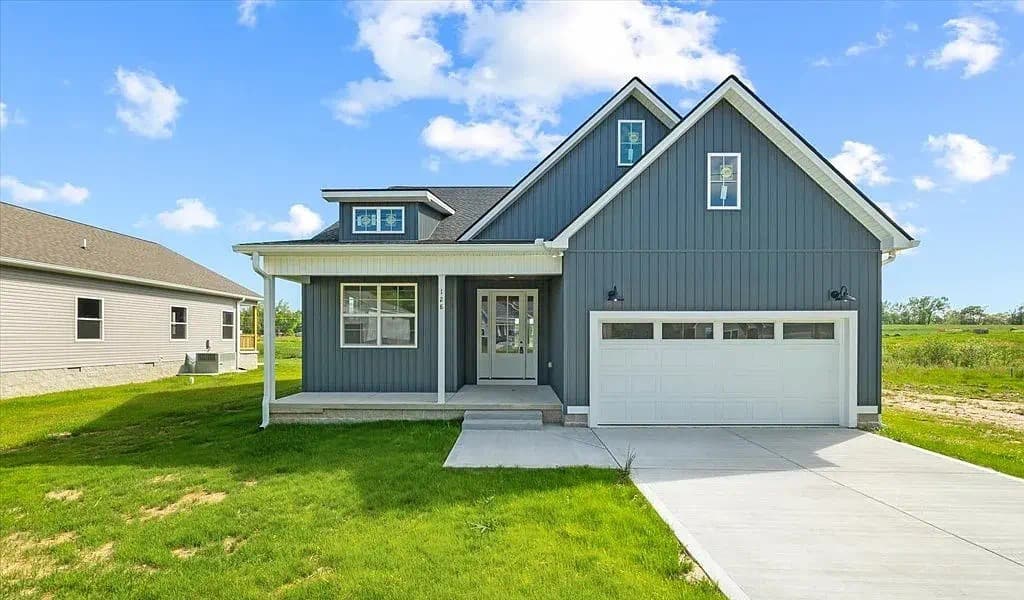
If you're weighing modular homes against custom site-built homes in Tennessee, the deciding factors come down to your land, your timeline, how long you plan to stay, and what you need your home to actually do for your family. Both options can deliver a quality new home in the Volunteer State, but they serve different situations, and the wrong pick for your lot or long-term plans can cost you tens of thousands in hidden expenses or lost resale value.
The short answer: For Tennessee landowners in the Upper Cumberland who plan to stay 10+ years, own challenging or unique land, and want strong long-term value, a custom site-built home is typically worth the premium. Modular homes make sense when budget is tight, timeline is short, the lot is level and accessible, and you're thinking about a 5–7 year horizon. The gap between the two narrows or widens based almost entirely on your specific site conditions and goals.
What Are Modular Homes and Factory Built Housing in Tennessee?
Modular homes are factory-built housing: constructed in sections inside a climate-controlled facility, then transported to your site and assembled on a permanent foundation. In Tennessee, modular construction is regulated under the Modular Buildings Act (T.C.A. Title 68, Chapter 126), which requires factory inspections, certification labels, and compliance with adopted building codes including the International Building Code and Tennessee's modular building rules under Chapter 0780-2-13.
This isn't the same thing as a manufactured home built to HUD federal code. A Tennessee modular home must meet or exceed local and state building codes: the same structural, fire, electrical, and energy standards as any site-built home. That's a meaningful distinction for financing, resale, and how your county treats the property.
Modular homes are more affordable than traditional construction on a per-square-foot basis. Factory-built homes have lower construction costs in part because manufacturers save on materials by purchasing in bulk, and because building in a factory reduces theft and vandalism. Weather-controlled environments keep materials out of the rain, and the process moves faster since factory work isn't subject to rain delays or seasonal slowdowns.
Several dealers serve Tennessee homebuyers, including shops in Crossville and the Knoxville market that retail catalog models from national manufacturers. Modular homes offer a wide array of architectural styles, and buyers can choose from many pre-existing floor plans, which is useful if you need to move quickly.
What Are Custom Site-Built Homes in Tennessee?
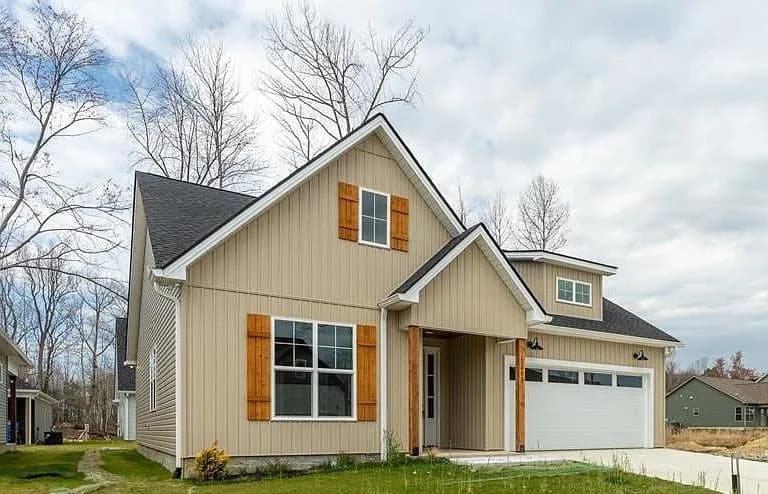
Custom site-built homes are designed and constructed entirely on your property, from foundation to ridge cap. Every element (floor plan, materials, orientation, foundation type) is tailored to your land, your family's needs, and the specific conditions of your lot. There are no module-size constraints, no transport limitations, and no factory floor plan to work around.
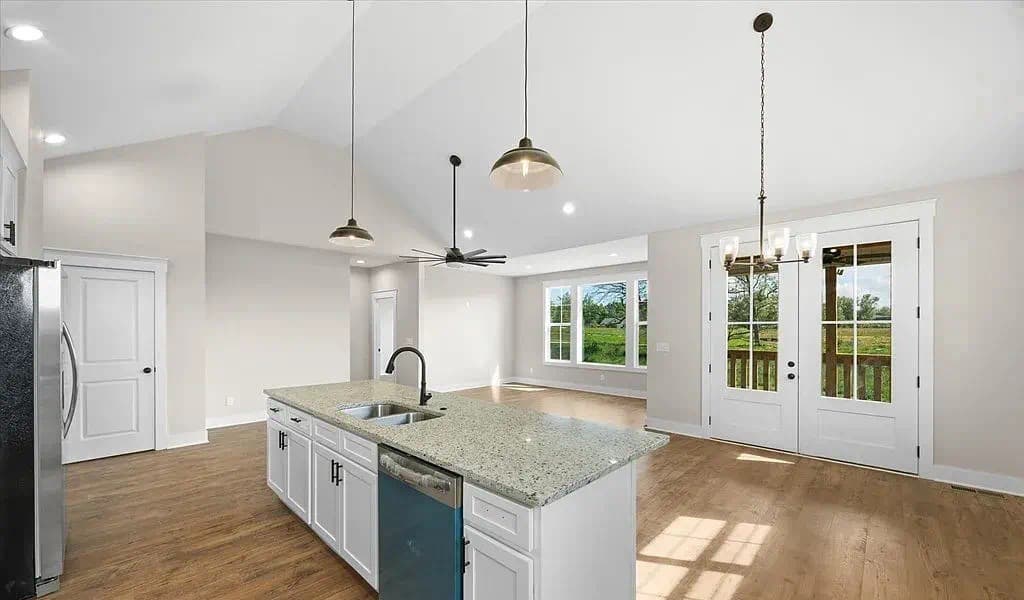
In the Upper Cumberland, local builders bring firsthand knowledge of the region's terrain, soil conditions, and building environment. At S&T Construction, we build custom homes and custom log homes throughout Cookeville, Crossville, and the surrounding counties, including multi-generational designs, ADA-friendly layouts, walkout basements on sloped lots, and attached workshops or porches. Custom add-ons include porches, decks, and fireplaces, features that are difficult or impossible to incorporate into a modular footprint.
Site-built homes in Tennessee cost hundreds of thousands of dollars, and they take more time than a factory-built home. That investment buys complete flexibility, adaptation to difficult lots, and a home built specifically for how your family lives, not adapted from a catalog to approximate it.
Modular vs Custom Site-Built Homes: How They Compare at a Glance
| Factor | Modular Homes | Custom Site-Built Homes |
|---|---|---|
| Best for | Budget-conscious buyers with level lots and shorter timelines | Landowners planning to stay long-term on unique or challenging lots |
| Upfront cost | $80–$160/sq ft installed (before land) | $175–$315/sq ft (before land) |
| Timeline | 8–16 weeks from factory start to move-in | 9–14 months including design, permitting, and construction |
| Customization | Select from pre-existing floor plans with limited modifications | Unlimited: floor plan, materials, layout, and lot adaptation |
| Resale value | Typically 10–20% below comparable site-built homes | Appreciates with land value; new custom homes often sell well above the regional median |
| Land requirements | Level site with crane access and a delivery road | Adapts to slopes, wooded lots, shallow bedrock, and irregular terrain |
The core takeaway: modular homes deliver affordability and speed, while custom site-built homes deliver flexibility, fit, and a stronger long-term market position, especially in the Upper Cumberland's growing real estate market.
Cost and Financing in Tennessee
This is where most people start, and the numbers look clear on the surface. A factory-built home in Tennessee runs roughly $80–$160 per square foot fully installed (structure, foundation, utility hookups, site prep). Modular homes are more affordable than site-built homes at the point of purchase, which is why many buyers first compare whether to buy modular or build custom. Example models from Tennessee dealers: a 1,771 sq ft ranch at approximately $204,905 delivered and set, a 1,980 sq ft two-story around $225,432, and a 2,304 sq ft two-story near $247,947, all including foundation and utilities.
Custom site-built homes in the Upper Cumberland run $175–$315 per square foot in hard costs before land. A 2,400 sq ft custom home in this area typically falls between approximately $420,000 and $755,000 depending on finishes and complexity.
The sticker-price gap shrinks when you factor in hidden costs on the modular side. Transportation and freight for modules can run $6,000+ per section. Land preparation (grading, driveway, drainage, utility runs, well or septic) can swing $40,000–$60,000 or more in rural Upper Cumberland depending on slope, access, soil, and rock. Those costs exist for both options, but quotes only help if the measurements, specifications, and site-cost estimates are honest before you compare them.
Financing also differs. Custom site-built homes are typically financed via traditional construction-to-permanent mortgages, a process familiar to local lenders and appraisers. Modular homes can qualify for traditional financing when built to state modular building code on a permanent foundation, but some lenders and insurers evaluate them differently. If any shortfall exists in certification, or if the home resembles a manufactured home, financing may be more restricted or costly.
Winner: Modular homes for immediate affordability, but custom homes for long-term value per dollar, especially when site costs and financing terms are factored in realistically.
Construction Timeline and Weather Considerations
Modular homes are faster than site-built homes. That isn't debatable. Factory construction takes 4–8 weeks, and site work (foundation, utility stubs) can happen concurrently. Setting and finishing adds another 4–8 weeks. Total: roughly 8–16 weeks from factory start to move-in.
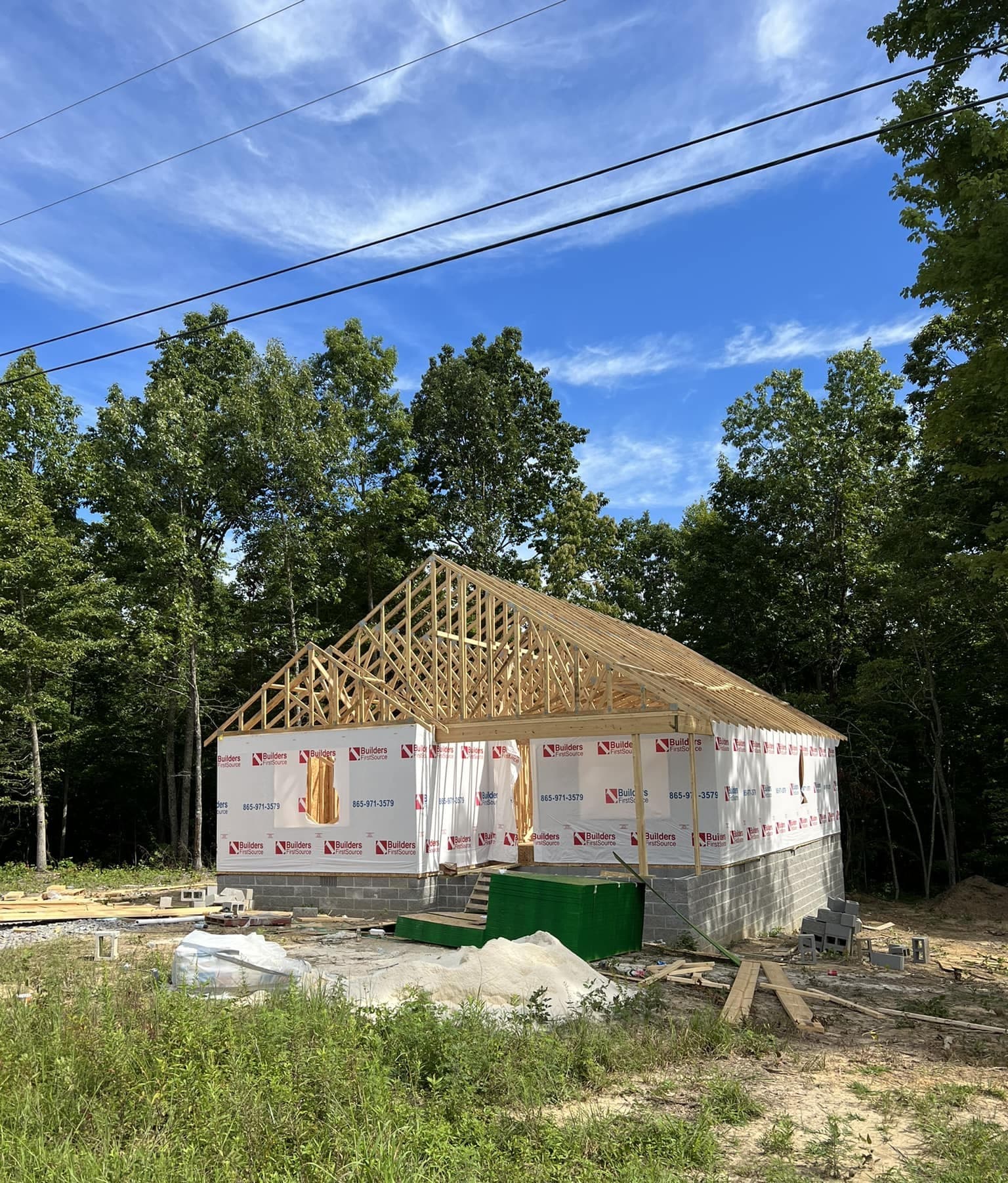
Custom site-built homes take longer. The entire process (design, permitting, site preparation, framing, mechanical rough-ins, finishes) typically spans 9–14 months in Upper Cumberland counties. Preconstruction alone (design, permitting) often runs 4–10 weeks. Foundation and site work take 3–6 weeks depending on slope and rock. Framing and dry-in add 4–10 weeks depending on complexity.
Tennessee's weather matters here. Building in a factory reduces weather-related delays, material exposure, and seasonal slowdowns. A custom build on-site in Putnam or Cumberland County faces rain delays in spring, heat slowdowns in summer, and shorter work days in winter. That said, a custom home designed for your specific site accounts for drainage, wind exposure, solar orientation, and slope management, which means it performs better day after day for the life of the structure.
Winner: Modular homes for speed, but custom homes for weather-appropriate, terrain-specific design that pays dividends over decades of Tennessee storms and seasons.
Customization and Design Flexibility
This is where the two options diverge most sharply. Factory-built homes are energy efficient and customizable to a point. Buyers can adjust layouts within the constraints of available floor plans, and most factory homes sold today include finish and layout selections. Structural changes (adding wings, custom rooflines, non-standard module dimensions, walkout basement integration) hit the limits of what a factory can produce and a truck can deliver.
A custom site-built home has no such ceiling. You can design a multi-generational home with a separate in-law suite and ADA-accessible entries. You can build a log home with hand-selected timber and a wraparound porch overlooking a Cumberland Plateau ridgeline. You can orient the house to capture morning light, tuck it into a hillside with a walkout basement, or add a detached workshop connected by a covered breezeway.
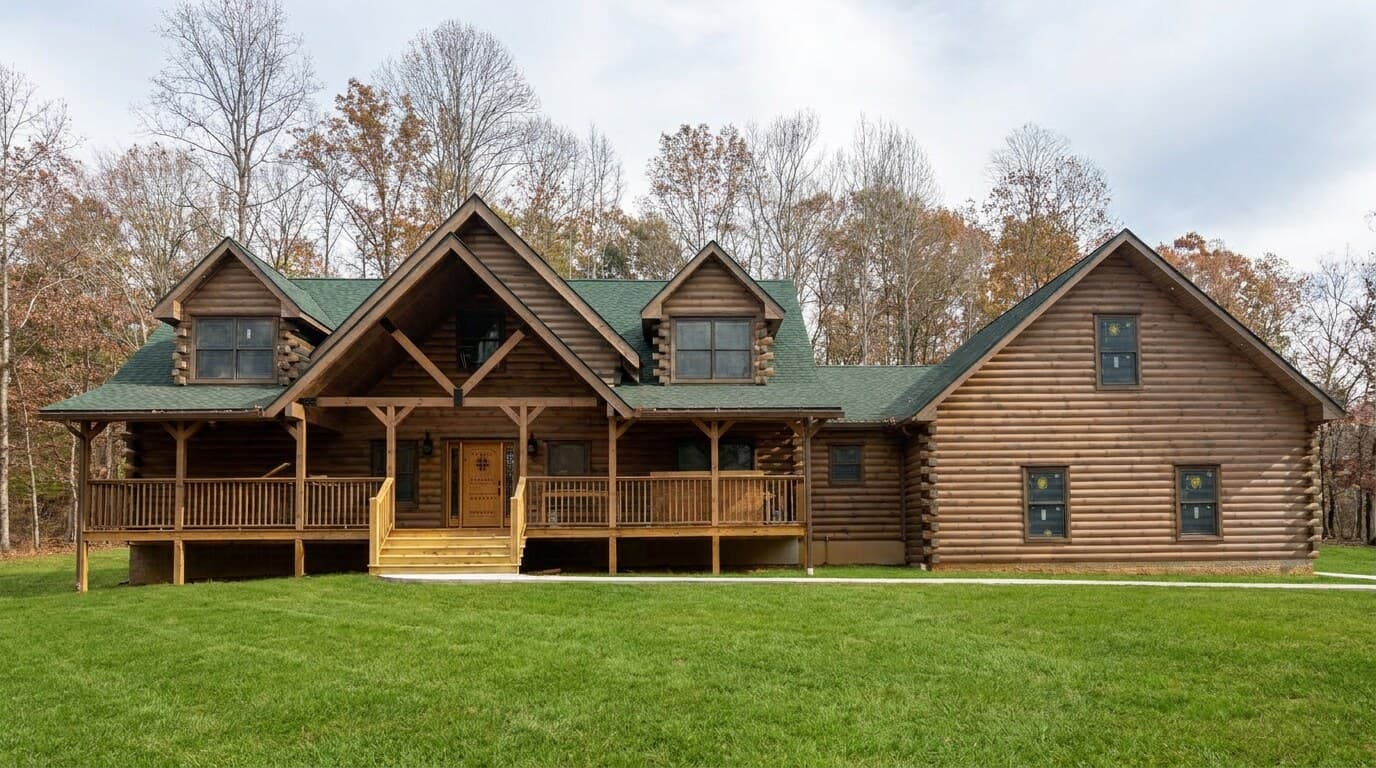
At S&T Construction, we specialize in exactly these kinds of builds: custom homes, log homes, and multi-generational designs that fit the land and the family. You can learn more about Scott and Tonya and how we work. That flexibility isn't a luxury. For many Upper Cumberland lots, it's a necessity. The style, comfort, and feel of a home designed specifically for your property and your needs simply can't be replicated from a factory floor plan.
Winner: Custom site-built homes for complete design freedom. Modular homes still offer decent variety within their catalog, but they can't match the flexibility a custom build provides.
Resale Value in Tennessee's Market
Tennessee has a large rural land base and growing metro areas, which influences the modular home market, but the resale data tells a specific story. According to the Upper Cumberland Association of REALTORS®, the median residential home price in the region is generally in the low $300,000s, with new custom homes in subdivisions often selling for significantly more, reflecting buyer willingness to pay a premium for location, lot, and craftsmanship.
Modular homes appreciate similarly to traditional site-built homes when they're built to code and permanently affixed. They don't depreciate like HUD-code manufactured homes on leased land. Data from multiple sources, though, shows modular builds commonly come in 10–20% below comparable new site-built construction in both cost and resale price. That lower entry point creates a lower ceiling at sale.
The upper Cumberland market is active, with sales increasing and prices rising moderately, while well-priced newer homes tend to sell faster than the average market pace.
Winner: Custom site-built homes for long-term appreciation. Modular homes hold value better than many buyers expect, but the resale premium in the Upper Cumberland clearly favors site-built construction.
Land and Site Considerations in Upper Cumberland Tennessee
This factor alone can make the decision for you. Modular homes require a reasonably level site with road access sufficient for tractor-trailer delivery and crane operation. Hilly, heavily wooded, or remote lots increase transport and installation costs substantially, sometimes eroding most of the upfront savings.
Upper Cumberland terrain is rolling hills, wooded ridges, and valleys with shallow bedrock, variable soils, and drainage challenges. Many rural parcels require septic systems with soil and percolation testing. Wells or public water connections may involve long runs. Evaluating these conditions early, before purchasing land or committing to a building method, is critical.
Custom home builders navigate these conditions by design: engineering appropriate foundations (full basement, crawlspace, slab), designing retaining walls and slope stabilization, planning drainage, and orienting the home to work with the terrain rather than fighting it. A custom build on a sloped, wooded 5-acre parcel in Van Buren or White County can incorporate a walkout basement, manage water runoff, and take advantage of views, none of which a modular drop can easily accommodate.
Winner: Custom site-built homes for challenging or unique lots. If your land is level, accessible, and close to utilities, modular can work well. For anything else, custom is the safer and often more cost-effective choice once site costs are honestly calculated.
Tennessee Modular vs Custom Homes: Which Should You Choose?
-
Choose a modular home if you need housing quickly, have a tighter budget, own level land with good road access and nearby utilities, prefer to select from pre-existing floor plans, and plan to be in the home for 5–7 years.
-
Choose a custom site-built home if you own challenging terrain (slopes, woods, rocky soil), plan to stay 10+ years, want a unique design (whether that's a log home, multi-generational layout, or ADA-friendly floor plan), prioritize resale value in the Upper Cumberland's growing market, or need a home that truly fits your land and your family.
For most Tennessee landowners in the Upper Cumberland who are purchasing property and building for the long haul, the custom route delivers better total value. The upfront premium pays for itself through stronger appreciation, lower hidden site costs on difficult lots, and a home that doesn't compromise on what matters.
If you're thinking about building on land you own in Cookeville, Crossville, or anywhere in the Upper Cumberland, we provide free site evaluations and estimates. We'll walk your property, check the conditions, and give you honest information about what a custom build would look like on your specific lot. No obligation, no pressure.
Frequently Asked Questions
Can modular homes be placed on any lot in Tennessee?
Not practically, no. While there's no blanket state prohibition, modular homes need delivery road access for oversized loads, a reasonably level area for crane setup and module placement, and a prepared permanent foundation. Local zoning, subdivision covenants, setback requirements, and aesthetic standards may also restrict or prohibit modular placement. Some subdivisions in the Upper Cumberland require specific façade treatments (stone, brick, minimum roof pitch) that modular designs may not meet. Always check county zoning and any HOA covenants before purchasing a modular home for a specific lot.
How do Tennessee building codes affect both options?
Both modular and custom site-built homes must comply with Tennessee's adopted building codes, including the International Residential Code, International Fire Code, National Electrical Code, and Tennessee's modular building rules under Chapter 0780-2-13. Modular units are inspected at the factory and carry a state-issued insignia of approval. Custom homes are inspected on-site by local code officials. Local jurisdictions can't impose building standards that differ from state requirements for modular units, though they retain control over zoning, setbacks, and aesthetic rules. Both options, when built to code, meet the same safety and performance standards.
What about financing differences for Tennessee homebuyers?
Custom site-built homes are financed through conventional construction-to-permanent mortgages, a well-established process that local lenders in Cookeville, Crossville, and across the Upper Cumberland handle routinely. Modular homes built to state code on permanent foundations can qualify for traditional financing as well, but appraisals may come in lower if comparable sales in the area are predominantly site-built. Some lenders and insurers evaluate modular properties differently, which can affect rates or terms. It's worth talking to your lender early, before committing to either path.
How does the Upper Cumberland's terrain affect construction choice?
The region's rolling hills, wooded lots, shallow bedrock, and variable soil conditions are a major factor. Modular delivery requires clear, accessible roads and space for a crane, conditions not always present on rural parcels in Putnam, Cumberland, White, or Van Buren counties. Custom builds adapt to these conditions through engineered foundations, slope stabilization, and design that works with the terrain. If your land has significant grade changes, heavy tree cover, or limited access, a custom build is almost always the more practical and cost-effective path once all site costs are honestly accounted for.
If you'd like us to evaluate your specific lot, reach out to S&T Construction for a free estimate and an honest assessment of what building on your land would involve.
S&T Construction is a family-owned custom home builder and remodeler serving Cookeville and the Upper Cumberland since 2017. Request a free estimate.