Custom Homes · September 24, 2026 · 9 min read
How to Build a Home on Your Own Land in Tennessee
Yes, you can usually build on land you already own in the Upper Cumberland. First the soil, the access, and the county permits have to say the lot is actually buildable.
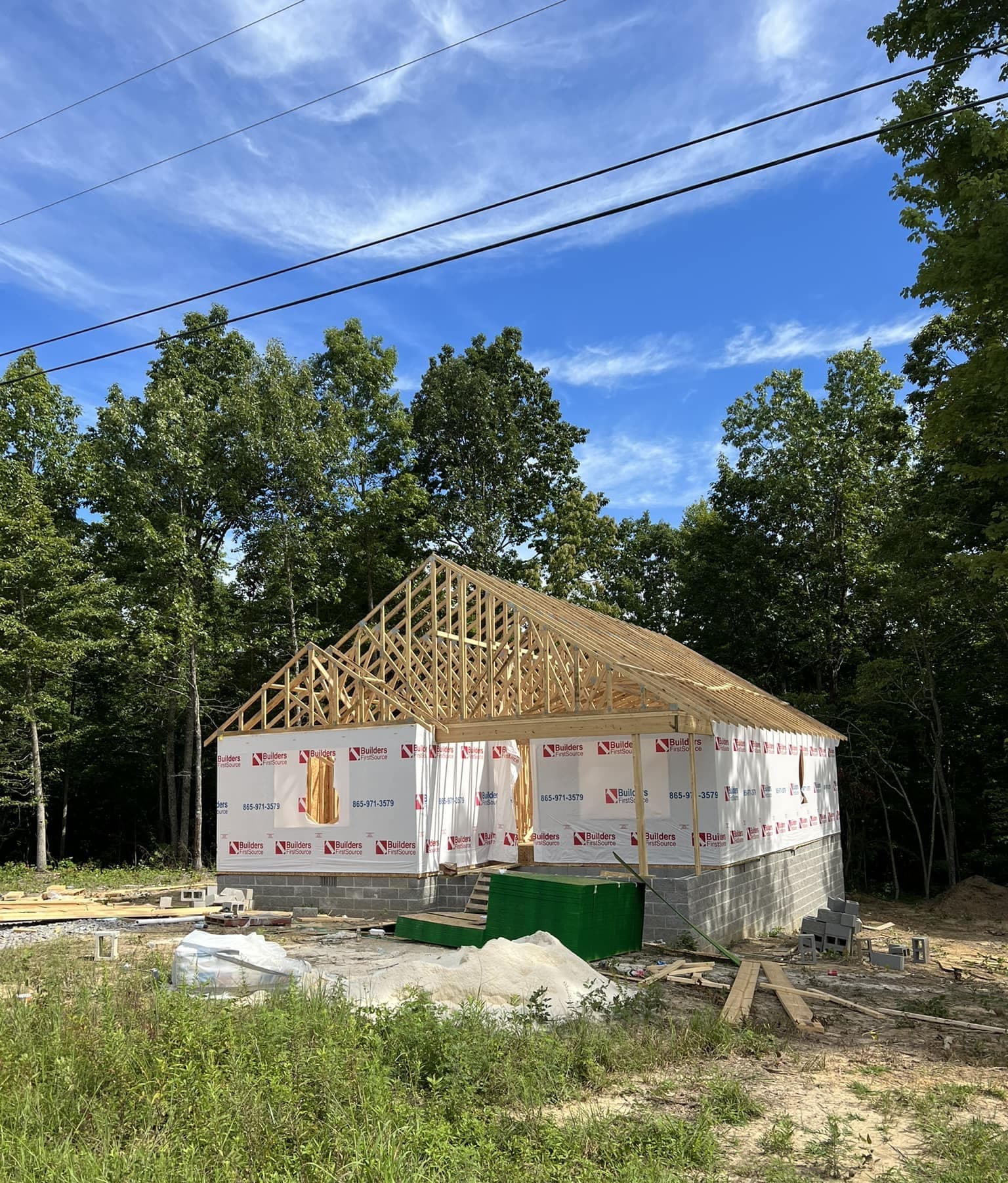
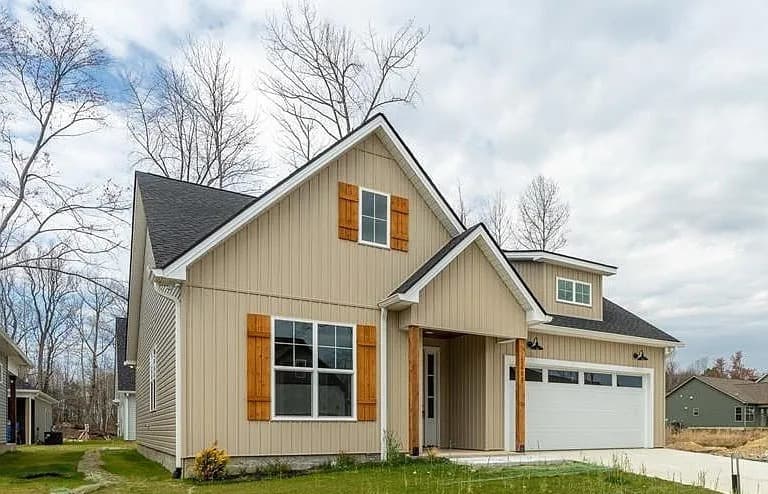
Owning land and being able to build a custom home on it are two different things. If you're asking whether you can build on your land in Tennessee, the short answer is yes in most cases, including across Putnam and Cumberland County, but only if the property meets zoning requirements, permit rules, septic and soil needs, water availability, and legal access. For families and landowners in the Upper Cumberland planning a custom home, that distinction matters early, because owning the lot doesn't automatically mean it's buildable or ready to move forward without delays, added costs, or legal issues.
This post walks through the real process from raw land to move-in: how to tell if land is buildable, what permits and zoning laws actually apply in this area, what a builder is checking for during a site visit before your custom home plan gets locked in, the common mistakes that can slow a project down, and the financing questions that come up when you want to build on your own land.
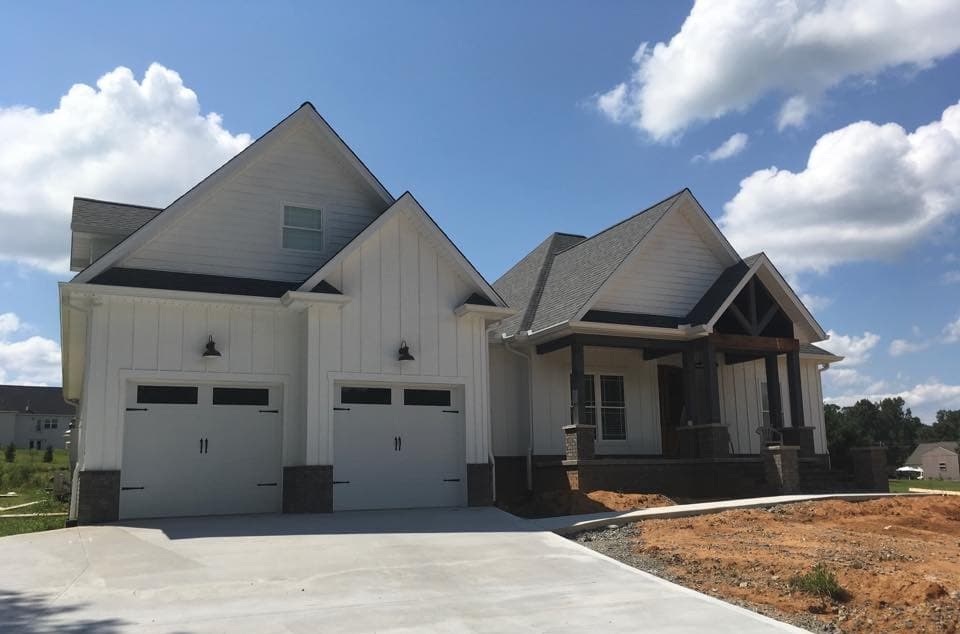
Is Your Land Actually Buildable?
Owning a piece of property doesn't automatically mean it's ready for a house. A few things determine whether land is buildable:
Soil and septic suitability. Most rural lots in Putnam and Cumberland County aren't on city sewer, so they need a septic system. Tennessee septic permits are issued by the state, the Tennessee Department of Environment and Conservation (TDEC), not the county, based on a soil evaluation of the site. If the soil doesn't support a standard septic system, an engineered system may still work, but it costs more and isn't guaranteed on every lot. This is the single biggest reason land turns out not to be buildable the way a buyer assumed, and some site conditions like this aren't obvious just from looking at the surface.
Water. If city water doesn't reach the property, you're drilling a well, which is a separate cost and a separate approval process from the septic permit. Well and septic placement also have to be a minimum distance apart, which can constrain where a house can sit on a smaller or oddly shaped lot.
Access. A lot needs legal, recorded access, either direct road frontage or a recorded easement across a neighboring property. A lot that's only reachable by crossing someone else's land without a recorded easement is a real problem, not a technicality, and some rural lots need driveway-easement documentation resolved before a project can proceed at all.
Slope and drainage. Steep slopes add site prep and foundation cost, and can push a home's footprint into areas that need retaining walls or extensive grading. Drainage patterns also affect septic placement.
Zoning and deed restrictions. Current zoning on the parcel has to allow a residential structure, and any recorded restrictive covenants (common in some subdivisions) can limit house size, style, or even whether a stick-built custom home is allowed at all versus other structure types.
Can You Build Whatever You Want on Land You Own?
No, and this is the most common misconception among property owners. Owning property outright doesn't exempt it from zoning rules, setbacks (the minimum required distance from property lines or the street), or building codes. Current zoning for the parcel determines what's allowed. A setback controls how close to the property line or street a structure can sit. If your plan doesn't fit the current zoning, the path forward is usually a variance request through the local planning board, which typically involves a public hearing. That is not a fast process, and it is not guaranteed.
Tennessee also works differently county to county on this. Not every Tennessee county runs its own building codes department. Some rely on the state Fire Marshal's office for permitting and inspection instead of adopting local rules. Putnam and Cumberland County both run their own codes departments, so if you're building here, local zoning laws and permitting rules apply directly under the county's own jurisdiction, not a state fallback.
Step by Step: From Raw Land to Move-In
First step: confirm the land is actually buildable. Before you fall in love with a floor plan, get a soil evaluation for septic, confirm legal access and water availability, and check current zoning against what you want to build.
Second: resolve zoning issues, if any. If your house plan doesn't match current zoning, this is when a variance request goes to the planning board. Plan for weeks, not days, and a public hearing as part of the process.
Third: pull permits in the right order. In Putnam County: 911 address, septic permit, building permit, plumbing permit, mechanical permit. In Cumberland County: 911 address verification, septic permit and layout from TDEC, construction plans with square footage, then building, plumbing, and mechanical, HVAC, and gas piping permits.
Fourth: site prep and construction. Clearing, grading, driveway, well and septic installation, then framing through finishes, with inspections required at each stage as work is completed: footer, foundation, rough-in, energy, and final.
Fifth: final inspection and move-in. A final inspection has to lead to a certificate of occupancy before the house can legally be occupied.
Permits and Zoning: What Actually Applies in Putnam and Cumberland County
Putnam County. The county has adopted the 2018 IBC and IRC building codes. For new residential construction, the process runs in order: obtain a 911 address for the new structure, obtain a septic permit through the state Environmental Office, then obtain the building permit, plumbing permit, and mechanical permit. Inspections follow in sequence: footer, foundation, plumbing in slab (if applicable), concrete slabs, rough-in framing, plumbing, and mechanical together, energy and insulation, and a final inspection before the house can be occupied.
Cumberland County. The Cumberland County Codes Department (established January 1, 2024) requires a building permit, plumbing permit, and mechanical, HVAC, and gas piping permit for new residential construction. To apply, you'll need a 911 address verification, a copy of your septic permit and layout from TDEC, legible construction plans with square footage, and, if you're acting as your own general contractor, a signed, notarized Homeowner's Affidavit. Cumberland County has also adopted the 2018 IRC. Electrical permits in Tennessee are issued by the State Fire Marshal's office rather than the county, separate from the building, plumbing, and mechanical permits above.
Statewide. Tennessee law (T.C.A. Title 62, Chapter 6) requires anyone contracting for construction work valued at $25,000 or more to hold a state contractor's license, whether that's a prime contractor or certain subcontractors. This applies regardless of which county you're building in.
What a Builder's Site Visit Actually Checks
Before any real budget or plan gets built, walking the actual property from the road inward tells you more than any general rules can on their own. A proper site visit looks at slope and drainage across the buildable area, where a septic system and well could realistically go, how far utilities are from the road, tree cover and clearing needs, and where the house should sit relative to setbacks, easements, and the views or privacy you actually want. Poor soils, old fill, or drainage issues can change the entire foundation approach on some lots. This is why S&T leads with a free on-site consultation for landowners rather than a phone estimate. A lot's real cost and real limitations only show up once someone has actually stood on it. An architect or engineer may need to get involved for anything beyond a standard slab or crawlspace foundation, particularly on steep or difficult sites.
Common Mistakes Property Owners Should Avoid When Building on Land You Own
Buying land before confirming it perks for septic. A soil evaluation before closing can save you from owning land that can't support a standard system at all.
Assuming ownership means no permit is required. It doesn't. Permits, inspections, and code compliance apply the same way whether you've owned the land for one year or twenty, and skipping required approvals can lead to real delays or fines down the line.
Not budgeting site work separately from construction. Site prep, well, septic, and utility runs are commonly left out of a bare per-square-foot construction number. Our companion posts on total cost to build in Cookeville and cost per square foot in Tennessee break this down in full.
Not checking easements and access before purchase. A landlocked parcel, or one with an undocumented access road, can stall a project for months while the access issue gets resolved legally.
Financing a Build on Land You Own
If you already own your land free and clear, that equity can often serve as some or all of the down payment on a construction loan. Construction loan funds are typically released in stages tied to completed work. The lender or an inspector verifies each stage before releasing the next draw, rather than all at once, and the loan usually converts to a standard mortgage once the house is finished. Lenders generally base the loan amount on the total project cost (land value plus construction), not on the construction cost alone, so it's worth having that conversation with a local lender early, before you've locked in a floor plan.
Frequently Asked Questions
Can I build whatever I want on my own land?
No. Zoning rules, setbacks, easements, and building codes still apply to land you own outright. A structure that doesn't fit current zoning generally needs a variance, which goes through the local planning board.
Why would land not be buildable?
The most common reasons: soil that fails a septic evaluation with no city sewer available, no recorded legal access, no viable water source, floodplain restrictions, or deed restrictions that limit what can be built.
Do I need a permit to build on my own land in Putnam or Cumberland County?
Yes. Both counties require a building permit, plumbing permit, and mechanical permit for new residential construction, plus a state-issued electrical permit and a state-issued septic permit if you're not on city sewer.
Is it cheaper to build on land you already own?
Generally yes, since you're not also carrying a land purchase, but your total cost still depends heavily on that specific lot's site conditions. See our companion posts on total build cost and cost per square foot for the full picture.
Can I put a tiny house on my property in Tennessee?
It depends on how the structure is classified under your county's code and current zoning. A permitted dwelling is treated differently than an RV or park model. Check with the local codes office before assuming either way.
Walk Your Land With Someone Who Actually Builds Here
General rules only go so far. Every lot in Putnam and Cumberland County is different. S&T has built custom homes here since 2017, including ADA-friendly and multi-generational layouts, and every project starts the same way: someone actually walking the land. Get in touch with S&T for a free on-site consultation. Scott or Tonya will walk the property with you and tell you honestly what it can support, before you're locked into a plan.
S&T Construction is a family-owned custom home builder and remodeler serving Cookeville and the Upper Cumberland since 2017. Request a free estimate.